
The "Best Of" Trap: When Did Dinner Become a Scorecard?
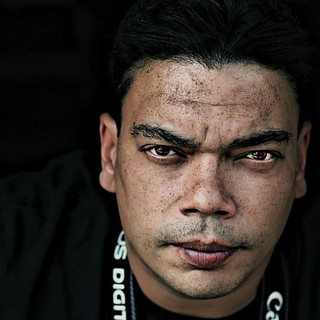
Back in Brooklyn, finding a good meal wasn’t a research project. You went to the spot on the corner because the guy behind the counter knew how you liked your eggs, or you hit that dive bar because the burger was honest, greasy, and didn't cost a week's pay. You found your place, and that was enough.
But somewhere along the line, the world lost its mind. We stopped eating and started keeping score.
It seems you can’t scroll through your phone these days without getting slapped in the face by the hunt for the absolute "Best." It’s become a global obsession, a fixated madness where "good" isn't good enough anymore. We are living in the era of the scorecard, and honestly? It’s ruining the industry I’ve spent my life in.
The Gamification of Dinner
I remember when a meal was just a meal. Now, it’s "content."
The shift happened when we let the internet decide what tastes good. It’s a social phenomenon driven by a massive, collective Fear Of Missing Out (FOMO). It’s no longer about whether you enjoyed the lasagna; it’s about whether you ate the same lasagna that 10,000 other people liked on Instagram.
Psychologically, this is a disaster for dining. We’ve turned leisure into labor. Instead of relaxing, people are working down a checklist, optimizing their free time like it’s a spreadsheet. If you aren't eating at the number one spot, you feel like you're failing. It creates a culture where we trust an algorithm more than our own tongues.
The Gatekeepers: Barstool, Eater, and The Times
You can’t talk about this mess without talking about the ringleaders.
First, you’ve got Dave Portnoy and Barstool Sports. "One bite, everybody knows the rules." It’s entertaining, sure. I get the appeal of a guy standing on a Manhattan sidewalk passing judgment on a slice. But think about the fallout. One guy’s arbitrary "6.8" can cripple a family business that’s been feeding a neighborhood for thirty years. Conversely, an "8.1" creates a line around the block filled with people who aren't there for the food—they're there for the hype. They want to taste the score, not the pizza.
Then there are the "serious" lists, which might be even worse because they pretend to be objective.
Take Eater.com. Their "Essential 38" lists are the bible for the modern foodie. If you’re on the "Heatmap," you’re a god. If you’re not? You’re invisible. These lists don't just guide taste; they dictate survival. They create a landscape where restaurants are forced to engineer their menus for virality rather than quality. You stop cooking from the heart and start cooking for the screenshot. It becomes about the "Instagrammable" cheese pull rather than a balanced flavor profile.
And don't get me started on The New York Times. When Pete Wells drops his "100 Best Restaurants in NYC," the city stops. I respect the guy’s palate, but the power dynamic is broken. When one outlet decides that a specific hole-in-the-wall in Queens is the place, that place gets crushed. The regulars—the old guys who kept the lights on for decades—can’t get a table anymore because a swarm of trend-chasers has descended. Rent goes up, the staff burns out, and the soul of the place gets sucked out by the vacuum of its own success.
The Local Angle: The "Pay-to-Win" Circus
Don't think for a second that this nonsense hasn't followed us all the way to Hanoi.
Living here, I see it morph into something even grittier. We have our own versions of the circus, like the Hanoi Taco Festival. On the surface, it looks like a fun community gathering. But dig a little deeper, and it’s the same "pay to win" culture wearing a sombrero.
These competitions often aren't about who makes the best taco. They are about who paid the highest entry fee, who worked the social media margins, and who played the politics. It creates a false hierarchy. You could have a small kitchen pouring their soul into a slow-braised carnitas that takes two days to prep, but they get overshadowed by the flashy stall with the marketing budget and the gimmicks.
The culture this builds is toxic. It pits us against each other in a way that kitchens were never meant to be. Kitchens are supposed to be about camaraderie—us against the world, the pirates on the ship. But when survival depends on winning a plastic trophy or getting a mention on a blog, that camaraderie fractures. It turns the culinary world into a high school popularity contest where the rich kids win, and the weird, wonderful outcasts get left behind.
The View from the Pass
I’ve worked in kitchens from 50th Street to private islands in Vietnam. I’ve seen the "best" food come out of shacks with plastic stools, and I’ve had absolute garbage served to me on fine china.
The businesses that don't make the cut? They suffer in silence. They are the ones doing honest work, sourcing good ingredients, and treating their staff right, but because they don't have a PR team or a viral TikTok, they starve.
So do yourself a favor. Ignore the "Best Of" lists. Forget the scores. Go find a place that looks interesting, walk in, and decide for yourself. The best meal of your life probably won't have a five-star rating or a viral video attached to it. It’ll be the one where you can taste that the cook actually gives a shit.
And that’s the only score that matters.


Comments